Photoprotection underpins almost every pigmentation, acne and anti-ageing protocol. Yet patients often find labels confusing – SPF, PA ratings, “broad spectrum”, mineral and organic filters. This note summarises each term and the counselling points that improve real-world protection.
UVA and UVB: two kinds of sun damage
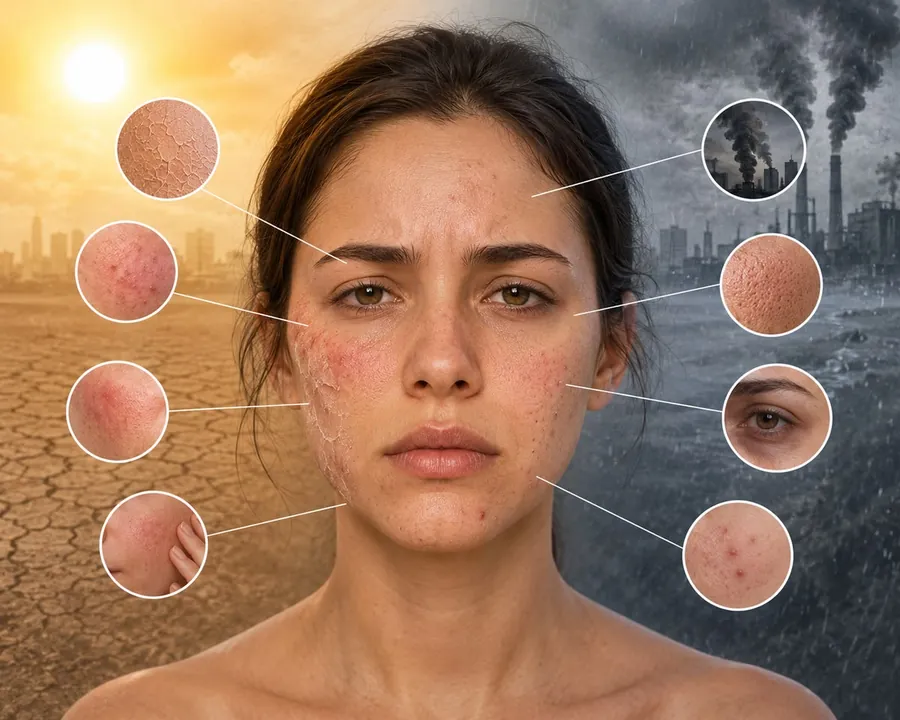
Sunlight reaching the skin contains two main types of ultraviolet rays. UVB rays are mainly responsible for sunburn and redness. UVA rays go deeper into the skin; they are closely linked with tanning, dark patches and the visible signs of skin ageing, and they pass through clouds and window glass.
A good daily sunscreen needs to cover both – which is why many labels carry two separate ratings.
What SPF tells you
SPF (Sun Protection Factor) is a measure of protection against UVB. It is measured in a laboratory using a set amount of product on the skin. A higher SPF means more UVB protection, but no sunscreen blocks 100% of UV rays.
The SPF on a label is established by testing the finished product – it cannot be calculated by adding up ingredient percentages.
What PA+++ means
The PA rating describes protection against UVA. It ranges from PA+ to PA++++; more plus signs mean more UVA protection. For patients with tanning or pigmentation concerns, the PA rating matters as much as the SPF.
Mineral and organic UV filters
Sunscreens use two families of UV filters:
- Mineral filters, such as titanium dioxide, sit on the skin and reflect and scatter UV rays.
- Organic filters, such as octinoxate (ethylhexyl methoxycinnamate), avobenzone and MBBT, absorb UV energy. Each covers a different part of the UV spectrum, so they are usually combined.
Combining several filters is a common way to achieve broad UVA and UVB coverage in a texture that feels comfortable to wear every day.
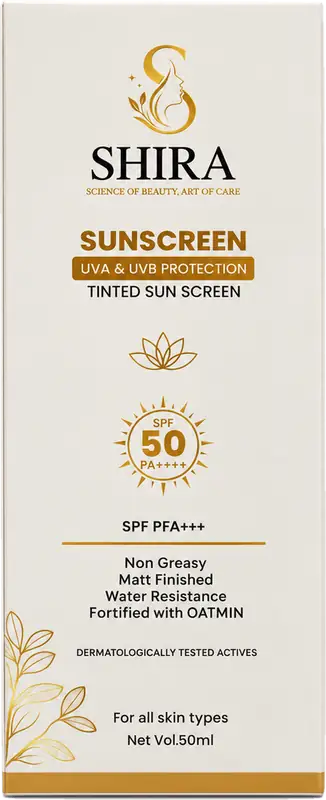
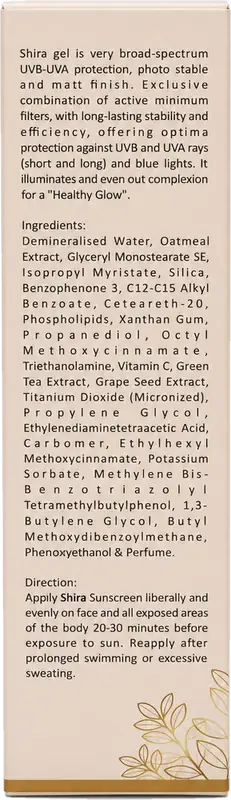
Shira Tinted Sunscreen (labelled SPF 50 PA+++) combines octinoxate, titanium dioxide, MBBT, avobenzone and oxybenzone, with oatmeal extract and antioxidants. Its listed UV filters add up to 23% – a figure that describes the formula, not its SPF. See the full formulation
Application points to share with patients
- Use enough. Most people apply far less than the amount used in SPF testing. A practical guide is two finger-lengths of product for the face and neck.
- Apply it last in the morning routine, after moisturiser.
- Reapply about every two hours outdoors, and after swimming, heavy sweating or towel-drying.
- Don’t skip cloudy days or days spent near windows – UVA still reaches the skin.
- Pair it with shade, a hat and sunglasses during peak afternoon sun.
Sunscreen and pigmentation care
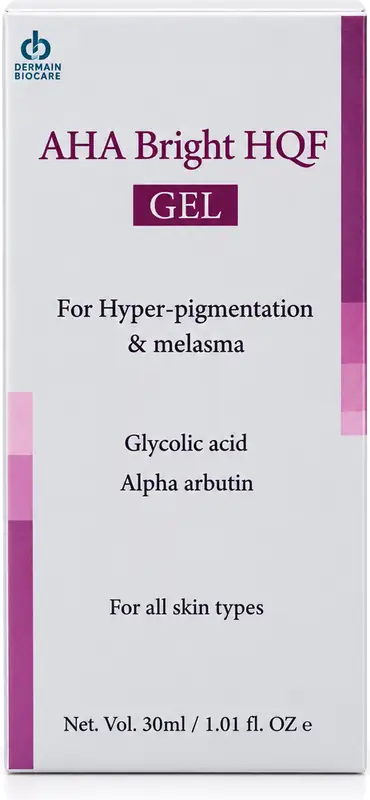
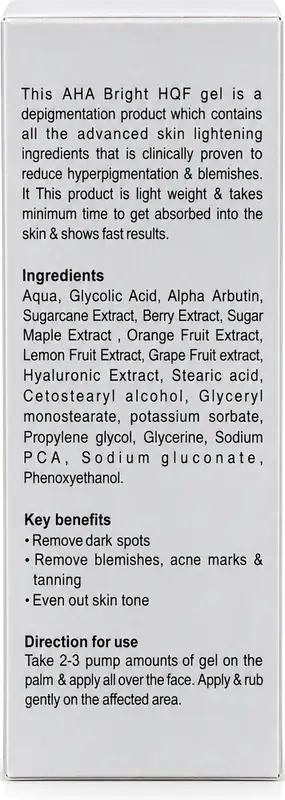
Exfoliating and depigmenting agents – such as glycolic acid and other AHAs – can increase photosensitivity. Daily broad-spectrum sunscreen helps protect treatment outcomes and is usually advised alongside any pigmentation protocol.
Key takeaways for practice
- SPF reflects UVB protection; the PA rating indicates UVA protection – both matter in pigmentation.
- Labelled SPF is established on the finished product, not by adding filter percentages.
- Under-application is the commonest reason for reduced real-world protection.
Patient counselling points
- Two finger-lengths for face and neck, applied as the last morning step.
- Reapply every two hours outdoors and after sweating or swimming.
- Continue on cloudy days and indoors near windows, especially with AHAs or depigmenting agents.
This article is intended for registered medical practitioners and healthcare professionals. It is for professional information and does not replace clinical judgement. *Individual results may vary.

For healthcare professionals
From theDermain portfolio